Product Description:
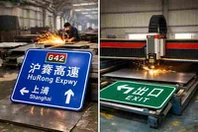
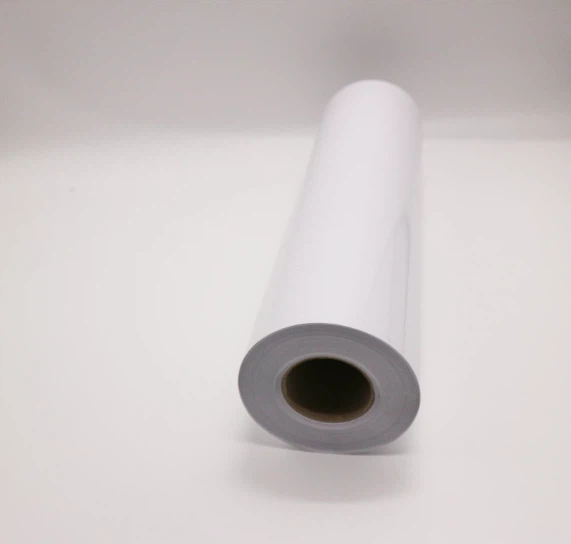
As the name suggests, transfer film is a carrier used to transfer patterns/content, also known as transfer paper. Depending on the adhesive strength and material of the content to be transferred, different types of transfer films should be selected. In the production of traffic signs, we also need to use transfer film.
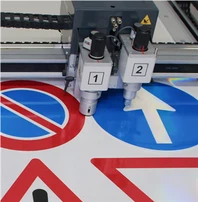
Once the reflective film is engraved with the desired content, we need to transfer the text onto the traffic sign, which has been coated with a base film. This is where transfer film comes into play.
Application Method:
Cutting the Transfer Film:
First, cut the transfer film to the length of the content that needs to be transferred. After removing the unnecessary parts, apply the transfer film onto the text content.
Securing the Adhesion:
Move the transfer film back and forth to ensure that it adheres properly to the text. Once the adhesion is secured, peel off the backing paper of the content to be transferred (the backing paper generally has a silicone coating).
Transferring the Content:
At this point, the content is transferred onto the transfer film. Next, position the film on the intended area and press it down with a scraping motion to ensure the content sticks to the desired location.
Peeling Off the Transfer Film:
Finally, after the content is attached to the sign, peel off the transfer film. The adhesive on the content is stronger than the one on the transfer film, so the content will stay on the sign.
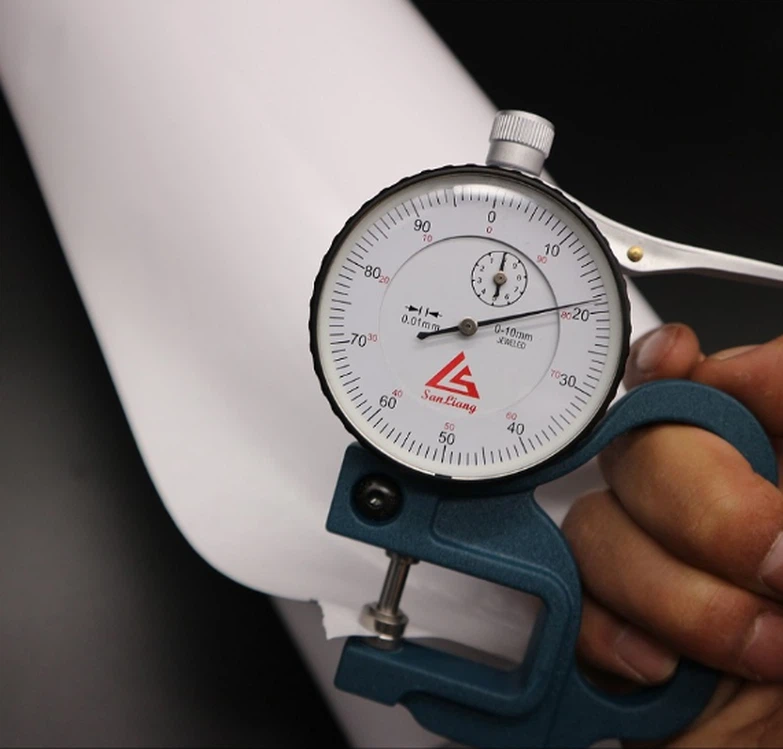
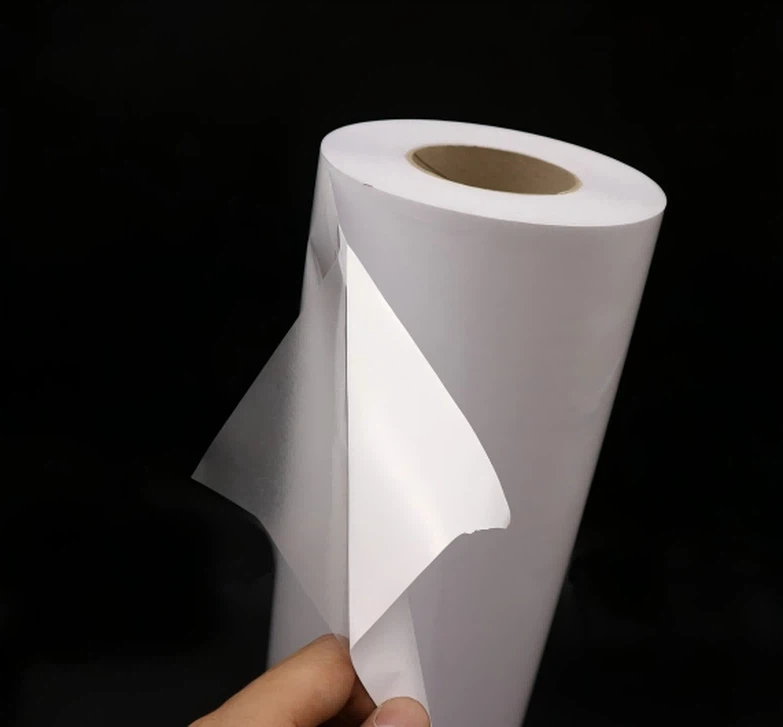
Selecting the Right Transfer Film for Traffic Sign Production:
When using transfer film in the production of traffic signs, choose transfer films that do not leave adhesive residue and are thick enough to withstand handling. Select films with appropriate adhesion strength depending on the season to make the production process smoother.