Retroreflective sheeting for road signs is a special material that is designed to reflect light back to its source. This material is commonly used for road signs, markings, and other traffic control devices to enhance their visibility during low light conditions or at night.

Retroreflective sheeting is made up of tiny glass beads that are embedded in a hard plastic material. The beads are designed to reflect light back to its source, which makes the material highly visible to drivers and other road users. When light hits a retroreflective surface, it is reflected back in a specific direction rather than being scattered in all directions.
There are three types of retroreflective sheeting—engineer grade, high intensity, and diamond grade. Engineer grade is the most basic type of retroreflective sheeting and is typically used for low-volume roads or parking lot signs. High-intensity sheeting is brighter and more durable than engineer grade and is used for higher volume roads and highways. Diamond grade is the brightest and most durable retroreflective sheeting available and is typically used for high-speed roads and interstates.

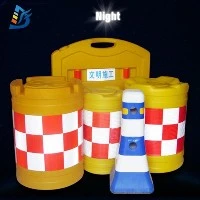
The use of retroreflective sheeting for road signs has greatly improved road safety. These materials make road signs and markings visible to drivers during all times of the day and night. In addition to road signs, retroreflective sheeting is also used on various traffic control devices such as barricades, cones, and delineators.
Retroreflective sheeting is a crucial component of road safety. It enhances the visibility of road signs and other traffic control devices, preventing accidents and improving the overall safety of our roads. The development of retroreflective sheeting technology has greatly advanced since its inception, and it will continue to play a pivotal role in the safe use of our roads for many years to come.