ECE 104 Reflective Tape: A Comprehensive Guide
When it comes to road safety, visibility is key. This is where ECE 104 reflective tape comes into play. This type of tape is specifically designed to reflect light back to its source, thereby making the vehicle or object more visible to other drivers on the road.

What is ECE 104 Reflective Tape?
ECE 104 reflective tape is a high-visibility reflective tape that adheres to commercial vehicles. It is made from a combination of microprismatic retroreflective material and a transparent adhesive layer. The tape is available in a variety of colors, most commonly white or yellow.

Why is ECE 104 Reflective Tape Important?
ECE 104 reflective tape is important for a number of reasons. It significantly improves the visibility of commercial vehicles, making them more easily seen by other drivers on the road. This is particularly important in low-light conditions, such as at dawn or dusk, or during inclement weather. It also makes it easier for drivers to judge the size and distance of the vehicle, thereby reducing the risk of collisions.
ECE 104 reflective tape is also a legal requirement in many countries, including the UK and most of Europe. The tape must meet strict regulations regarding its size, reflectivity, and placement on the vehicle. Failure to comply with these regulations can result in fines or even the impounding of the vehicle.

How to Install ECE 104 Reflective Tape
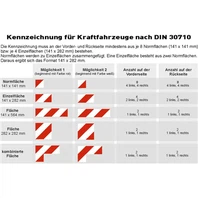
Proper installation of ECE 104 reflective tape is important in order for it to be effective. According to the regulations, the tape must be installed in a specific pattern on the vehicle. This pattern varies depending on the type of vehicle and its size, so it is important to consult the regulations before installing the tape.
The tape should be applied to a clean, dry surface. It should be smoothed out to prevent air bubbles or wrinkling. Once the tape is applied, it should be inspected regularly to ensure that it remains in good condition and continues to meet the regulations.