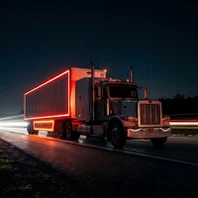
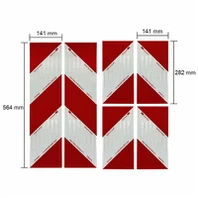
Reflective films are widely used in the traffic safety industry due to their excellent visibility features. However, the methods for processing reflective films are relatively limited. The main four processing techniques include:
Plotter Cutting
Digital Printing
Solvent Ink Printing (Solvent Plotter)
UV Printing
Among these, plotter cutting remains the most common. Digital printing on reflective film has been extensively introduced elsewhere, so in this article, we focus on solvent printing and UV printing, and explain the key differences between them.

1. Reflective Film Solvent Printing (Solvent Plotter)
Solvent printing on reflective film refers to using a solvent inkjet printer (often called an eco-solvent or photo printer) to print directly onto the film. These printers use corrosive solvent-based inks.
The process begins by sending the digital design to the printer from a computer. The printer then prints the design, and the ink is dried and cured by built-in heating elements.
However, solvent ink can only etch into PVC-based reflective films due to their absorbency. If a reflective film is made from non-PVC materials, such as acrylic or polycarbonate, a PVC coating must be applied before solvent printing can be used.

2. Reflective Film UV Printing
UV printing is a modern technique that uses ultraviolet light to instantly cure UV-sensitive inks on the surface of the reflective film.
One of the key advantages of UV printing is its material compatibility. It can be used to print on all types of reflective films, including PVC, acrylic, and PC-based films.
The better the ink absorption performance of the film, the more durable and vivid the final print will be.
3. Key Differences Between Solvent and UV Printing
| Comparison Aspect | Solvent Printing | UV Printing |
|---|---|---|
| Compatible Materials | Only PVC-based reflective film | Compatible with PVC, acrylic, PC, and more materials |
| Ink Cost | Lower ink cost | Higher ink cost |
| Outdoor Durability | 1–3 years depending on exposure conditions | Typically 5–7 years with better resistance to weathering |
Conclusion
Both solvent and UV printing have their own advantages depending on the type of reflective film and the application requirements.
Choose solvent printing when working with PVC reflective film and looking for a cost-effective solution.
Choose UV printing when durability, broader material compatibility, and long-term outdoor performance are required.
Understanding the differences between these two methods can help you choose the right processing technique for your traffic safety signage or customized reflective products.
Tags / Keywords
Reflective film printing#Solvent printing reflective film#UV printing reflective film#PVC reflective film#Acrylic reflective film#PC reflective film
Traffic sign printing#Reflective film processing methods#Custom reflective sign printing#Outdoor durable reflective printing
Eco solvent reflective printing#UV ink reflective film#Long-life reflective film signage