Does Reflective Sheeting Need to Be Laminated? A Guide Based on Application and Processing
Reflective sheeting is a vital material widely used in traffic signs, safety markings, and advertising boards. However, a common question among customers is: Does reflective sheeting need lamination? The answer depends on the type of material, processing methods, intended application, and durability requirements.
This article will explain when lamination is necessary and when it's not, based on the reflective film type and usage scenario.
What is Reflective Sheeting?
Reflective sheeting is a retroreflective material made from substrates like PMMA, PC, PET, or PVC, combined with glass beads or microprism structures. It reflects light back to the source, making signs highly visible at night or in low-light conditions. The base material and internal reflective structure determine its durability and reflectivity.
Purpose of Reflective Sheeting
The primary function of reflective sheeting is to reflect light back toward a light source, such as vehicle headlights. This retroreflection enhances visibility of road signs, improves safety, and helps reduce traffic accidents.
When Should Reflective Sheeting Be Laminated?
1. For Cut-and-Paste Applications: No Lamination Needed
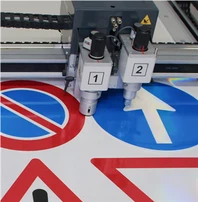
If you're using reflective sheeting for plotter cutting and manual application, there's no need for lamination. Reflective films are designed with strong weather resistance and UV durability built-in, making them suitable for direct outdoor use.
2. For Digital Printing: Lamination is Recommended
When reflective sheeting is processed through digital printing, lamination is necessary. Digital printing typically involves high-performance reflective films for long-term outdoor use. Adding an acrylic overlaminate helps protect the printed surface by:
Enhancing UV resistance
Preventing fading of ink
Improving abrasion resistance
Extending the outdoor lifespan
3. For Solvent Inkjet (Photo) Printing or UV Printing: Lamination is Usually Not Required
Reflective films printed with eco-solvent printers or UV printers generally do not require lamination. Here's why:
Photo Printing (Inkjet): Only PVC reflective films are compatible. These films have shorter durability and are used for temporary signage. Cold lamination cannot block UV effectively, so it does not significantly extend lifespan.
UV Printing: UV inks are non-transparent and tend to block reflectivity in printed areas. However, they offer better outdoor resistance. Since lamination won't improve UV-printed films' performance, it's often skipped-unless special requirements apply.
Do Standard Reflective Films Need Lamination?
Standard screen-printable or spray-paintable reflective films used for temporary signs or low-end applications typically do not need lamination. These films often:
Have low reflectivity
Are not UV-stable
Cannot withstand high heat, making hot lamination unsuitable
Do not benefit from cold lamination in terms of lifespan
Thus, for basic use, lamination is not required.
Conclusion
Not all reflective sheeting requires lamination. Here's a quick summary:
| Processing Method | Lamination Needed | Notes |
|---|---|---|
| Plotter Cut / Lettering | ❌ No | Built-in outdoor durability |
| Digital Printing (Solvent/Eco-Solvent) | ✅ Yes | Protects ink, extends life |
| Inkjet Printing (Photo) | ❌ No | Short lifespan; lamination ineffective |
| UV Printing | ❌ No (Generally) | UV ink has strong durability, but blocks reflectivity |
| Temporary Sign Use | ❌ No | Low-cost, short-term applications |
Choose lamination based on your processing method, durability expectations, and application scenario. For long-term signs with ink printing, lamination is essential. For temporary or cut-graphic applications, lamination can be skipped.
If you need tailored recommendations for your reflective film processing, feel free to contact us. Our team offers expert guidance based on your application and materials.